


Sect hydraulic filter elements by micron rating, pressure, flow, media, seals and connection dimensions with this practical B2B checklist.
مقدمة
إن اختيار عنصر مرشح هيدروليكي يتطلب أكثر من مضاهاة عدد جزئي أو قياس المساحة داخل سكن. The element must protect the hydraulic system at the required cleanliness level while allowing the necessary flow, withstanding differential pressure, and remaining compatible with the liquid, seals, and operating temperature.
وقد يتسبب المرشح الذي يقيّد تقييداً مفرطاً في فقدان الضغط أو الحياه أو التجاوز السابق لأوانه. يمكن للمرشح الذي يكون منفتحاً جداً أن يسمح للجسيمات المضرة بأن تُعمم من خلال المضخات والصمامات والمصاعد. ويوازن الاختيار الصحيح بين الحماية والتدفق وحياة الخدمة ومتطلبات الصيانة.
ويوفر هذا الدليل إطارا عمليا لاختيار عناصر مرشحي الهيدروليك. ويُقصد به مهندسو الصيانة، ومالكو المعدات، وأفرقة المشتريات التي تحتاج إلى تنظيم معلومات تقنية قبل طلب إجراء استعراض للمقتطفات أو الاستبدال.
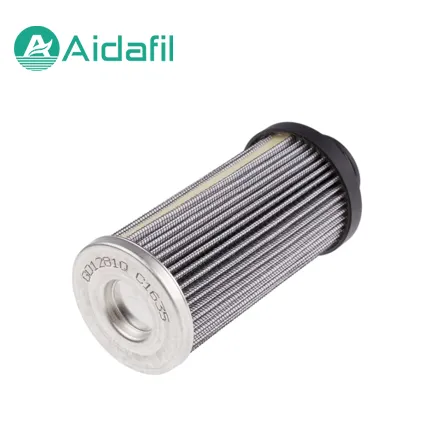
ابدأوا بأماكن التصوير و أداء النظام
السؤال الأول هو أين يتم تركيب التصفية مرشّح خطّ ضغط، مرشّح خطّ العودة، سلالة شفط، مرشّح خارجيّ، ومرشّح للحاسوب يُرى ظروف تدفق مختلفة وملامح ضغط مختلفة. وقد لا يكون نفس الترتيب الدقيق مناسبا لكل موقع.
سجل الدائرة والمكون المحمي وقد تتطلب مضخة عالية الضغط، أو صمامات الصمامات التناسبية، أو صمامات حرجة، هدفاً مختلفاً من دائرة العودة البسيطة. ملاحظة ما إذا كان المرشح يعمل بشكل مستمر أو فقط خلال جزء من دورة الآلة.
كما يؤكد نوع السوائل، ودرجة حرارة التشغيل العادية، ودرجة الارتداد، وما إذا كان النظام يستخدم الزيت المعدني، وسوائل قابلة للتحلل الأحيائي، وغليكول الماء، أو وسيط آخر. ويجب التحقق من التوافق بين المبيعات ووسائط الإعلام من السائل الفعلي.
تحديد هدف التنظيف المطلوب
وتتباين المكونات الهيدروليكية في حساسيتها إزاء التلوث. مستوى تنظيف الهدف يجب أن يأتي من توصية شركة تصنيع المعدات أو شرط موثوقية موثق لا تختاري تقدير التموين فقط لأنه أفضل ما هو متاح.
وعند استعراض مواصفات الترشيح، يميز بين التصنيفات الاسمية والمطلقة. ويصف التقييم الاسمي مدى التصفية العامة، في حين أن التقييم المطلق يرتبط بحجم معين من الجسيمات وطريقة اختبار محددة. وإذا قُدِّمت نسبة بيتا، تأكد حجم الجسيمات ومعايير الاختبار المرتبطة بها.
ويمكن لعنصر أدق أن يحسن إزالة الجسيمات، ولكنه قد يزيد أيضا من انخفاض الضغط ويقلل من حياة الخدمات. الإختيار الصحيح يَعتبرُ معدلَ تَلوُّث النظامِ، هبوط ضغطِ مقبولِ،.
Confirm Flow, Pressure, and Differential Pressure
Record the normal flow rate and the maximum flow that can occur during startup, cold-oil operation, or transient conditions. The filter element must handle the required flow without excessive pressure loss.
Confirm the housing pressure rating and the element's collapse or differential-pressure capability. A pressure-line element must be able to withstand the differential pressure that can develop when the element loads. A return-line element may see different conditions but still requires a suitable bypass and collapse rating.
Do not use the system's maximum pressure as the element's differential-pressure rating. These are different values. Check the product drawing and the filter assembly requirements.
Select the Filtration Media
Hydraulic filter media are available in several constructions. Each has a place depending on the application.
Cellulose Media
Cellulose media are widely used in general hydraulic filtration. They can provide efficient particle removal and are often cost-effective for routine service. Their suitability depends on the fluid, temperature, and required service life.
Synthetic Media
Synthetic media can offer a different balance of efficiency, pressure drop, and contaminant holding capacity. They may be selected when the application requires stable performance or a longer service interval. Confirm the exact media specification with the supplier.
Stainless Steel Mesh and Sintered Media
Metal media are cleanable in some applications and can be suitable for high-temperature or chemically demanding conditions. Their filtration behavior differs from disposable pleated media, so the selection should consider pore structure, cleaning method, and acceptable particle retention.
Choose the Seal Material
The seal material must be compatible with the hydraulic fluid and operating temperature. Common seal materials include NBR, FKM, EPDM, PTFE, and silicone, but the correct choice depends on the fluid and the manufacturer's recommendation.
NBR is commonly used with mineral oil, while FKM may be selected for higher temperatures or certain fluids. EPDM can be suitable for some water-based fluids but may not be compatible with mineral oil. Do not change seal material without checking compatibility.
Record whether the element uses O-rings, molded seals, end-cap seals, or a combination. A compatible filter element must seal correctly at the housing interface, not just fit the diameter.
Confirm Dimensions and Connection Details
Measure or obtain the element's height, outside diameter, inside diameter, thread, and connection style. Confirm the sealing surfaces and center-tube interface. If the element is for an existing housing, compare the new specification with the housing drawing rather than a single part number.
Check for features such as locating tabs, bypass valves, anti-drain devices, and orientation. Some filters look similar but cannot be installed in the correct direction or cannot seal against the housing.
Consider Contamination and Maintenance Conditions
The operating environment affects filter life. Dust, moisture, high temperature, cold starts, and frequent pressure cycles can change the rate at which the element loads. A filter that performs well in a clean test bench may have a short service life in a foundry, mining site, or outdoor machine.
Review the maintenance interval and the available differential-pressure indicator. If the element is difficult to access, select a configuration that allows safe and practical replacement. Consider whether the system can be isolated and whether the replacement will introduce contamination.
A Practical Selection Checklist
.Identify the filter location and protected components.
.Confirm the fluid type, viscosity, and operating temperature.
.Record flow and pressure conditions, including cold starts.
.Define the required filtration rating and cleanliness target.
.Select a suitable media construction.
.Confirm seal compatibility.
.Check height, diameters, thread, and sealing interface.
.Verify collapse pressure, bypass arrangement, and differential-pressure limits.
.Review maintenance access and replacement interval.
.Confirm the final data with a supplier or equipment drawing.
Common Selection Mistakes
A frequent mistake is selecting by outer dimensions alone. Another is treating a nominal micron rating as if it were an absolute rating. Some buyers also forget that the filter element, not just the housing, must withstand the differential pressure generated during loading.
Mixing seal materials without checking fluid compatibility can cause swelling, hardening, or leakage. Using a filter with the wrong collapse rating can lead to media damage and uncontrolled bypass. Finally, comparing products only by price can hide differences in media area, efficiency, and service life.


