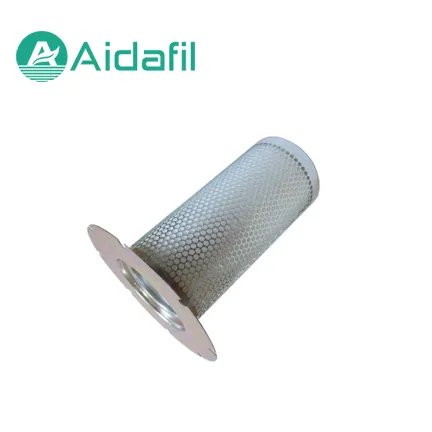
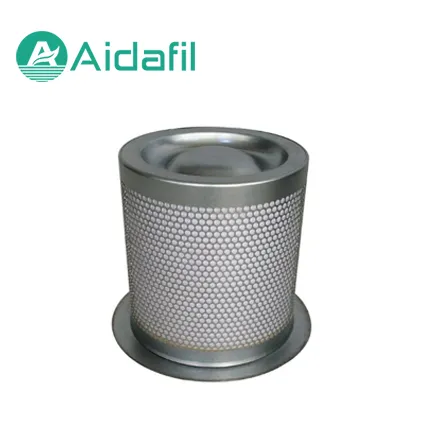
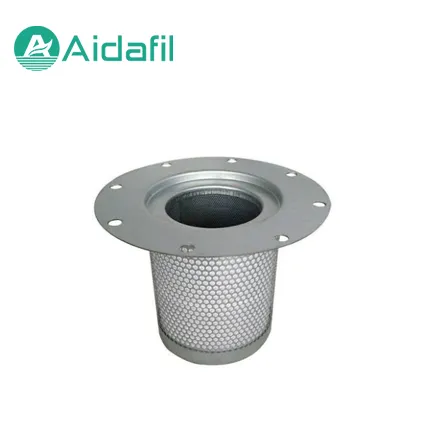
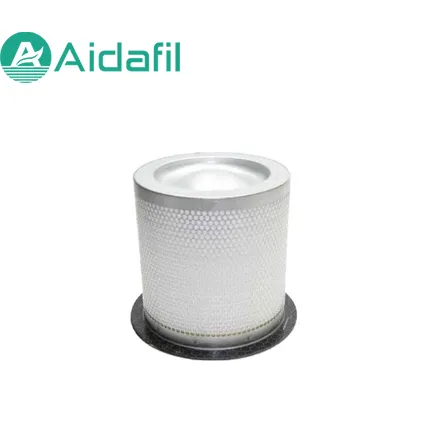
Diagnose oil carryover, high differential pressure and separator collapse, then verify replacement dimensions and operating conditions.
مقدمة
مُناظر النفط في مُضغط هواء مُحقن بالنفط لديه عمل مُلح ويجب أن تزيل عشيقة النفط الجميلة من الهواء المضغوط مع الحفاظ على تدفق وضغط ثابتين. وعندما يبدأ الانفصال بالفشل، تكون العلامات الأولى في كثير من الأحيان أعلى من استهلاك النفط، أو نقل النفط، أو ارتفاع الضغط التفاضلي، أو تغيير واضح في عنصر الانفصال بعد الإزالة.
الفشل المنفصل ليس دائماً بسبب العنصر نفسه أما التركيب غير الصحيح، وارتفاع مستوى النفط، والتلوث، وارتفاع درجة حرارة التشغيل، وخط عائد النفط المكشوف، أو الاستبدال بالأبعاد الخاطئة، فيمكن أن ينتج نفس الأعراض. وقد يؤدي الرد على العنصر دون العثور على السبب الأساسي إلى تكرار الفشل.
ويبين هذا الدليل الأعراض المشتركة، والأسباب المحتملة، وعمليات الفحص التشخيصي، والمعلومات التي ينبغي تأكيدها قبل طلب استبدالها.
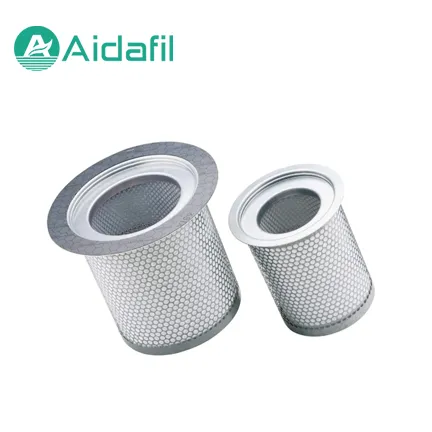
كيف يعمل فصل النفط
ويستخدم الزيت في مضغط حقن الزيوت في التشحيم والاختتام والتبريد. ويُزال جزء كبير من النفط بالفصل الميكانيكي قبل أن يمر الهواء المضغوط من خلال الفصل الأخير من المبيعات. ويجمع المفصل قطرات جيدة، ثم يعود إلى دائرة النفط.
ويجب أن يعالج العنصر التدفق الجوي المطلوب مع انخفاض ضغط مقبول. ويجب أن تكون وسائط الإعلام التابعة لها، والأختام، والأبعاد، وهيكل الدعم مناسبة لنموذج الضغط وظروف التشغيل. ويمكن للفصل الذي يكون تقييدياً جداً أن يزيد من فقدان الضغط، في حين يمكن للناظر المتضرر أو غير الصحيح أن يسمح للنفط بالمغادرة بالهواء المضغوط.
السمات المشتركة
النفط
وقد يبدو نقل النفط كزيت مرئي في خط الهواء، أو تكديس النفط في المدافن أو الجافات، أو الحاجة المستمرة إلى إضافة النفط. وينبغي التحقيق في الزيادة المفاجئة في استهلاك النفط قبل تشغيل المضغط لفترة طويلة.
ارتفاع الضغط التفاضلي
ويمكن أن يشير ارتفاع فرق الضغط الانفصالي إلى التحميل أو الرطوبة أو التلوث أو تقييد وسائط الإعلام. تأكد أن المقياس أو المجس يعمل ويقارن القراءة مع معايير خدمة الصانع.
Separator Collapse or Deformation
وقد يشير فصل منفصل منهار أو مشوه إلى ضغط مفرط في التفاضل، أو التركيب غير الصحيح، أو المواد غير المتوافقة، أو حدث نظامي مثل مسار العودة المكشوف. The damaged element should be retained for inspection and photographed before disposal.
Oil in the Compressed Air System
وقد يصل النفط إلى معدات أسفل المجرى حتى عندما يظهر المفصل سليما. تحقق من ترتيبات عودة النفط، ودرجة حرارة التشغيل، ومستوى النفط، وحالة الفقمات والبنزين ذات الصلة.
أسباب الفشل المحتملة
أبعاد الاستبدال غير الصحيحة أو ترتيب الختم
Separator installed in the wrong orientation
مستوى النفط مرتفع جدا أو منخفض جدا
النفط الملوث أو الرطوبة المفرطة
درجة حرارة التشغيل العالية
خط العودة النفطية المغلق أو المقيد
الضغط التناثري المفرط
السكن المدمر أو السطح المغلق
النفط غير المطابق أو الطرد الإضافي
التدفقات الجوية أو الضغط خارج نطاق التشغيل
وجود أحد الأعراض لا يحدد السبب فالتفتيش المنهجي أكثر موثوقية من الاستعاضة عن الأجزاء بالتخمين.
Diagnostic Sequence
1. Record the Operating Conditions
Note compressor load, discharge pressure, discharge temperature, oil temperature, oil level, and separator differential pressure. Record the values before shutdown and compare them with normal operation.
2. Inspect the Oil Return and Drain Path
Check for a blocked return line, damaged orifice, incorrect routing, or a return line that cannot drain under the actual operating condition. Follow the manufacturer's service instructions for the specific compressor.
3. Check Oil Level and Oil Condition
An overfilled system can increase oil carryover. Contaminated or degraded oil can affect separation and may create deposits. Take an oil sample if the condition is uncertain and follow the recommended maintenance schedule.
4. Review Temperature and Pressure
High temperature can accelerate oil degradation and affect separator performance. Check cooling, ventilation, and oil flow. Verify that pressure readings are accurate and not affected by a faulty gauge or sensor.
5. Inspect the Removed Separator
Photograph the element before cleaning. Check the end caps, seals, media, support structure, and any deformation. Compare the dimensions and markings with the replacement specification.
6. Check the Housing and Sealing Surfaces
Inspect the housing for damage, corrosion, blocked passages, and seal contamination. A new separator may not seal correctly if the housing surface is damaged.
Replacement Checks
Before installing a replacement separator, confirm the compressor model, separator part number, height, outside diameter, inside diameter, connection details, seal type, and airflow direction. Check whether the element has a top and bottom orientation and whether any gasket or retaining component must be reused or replaced.
Follow the compressor manufacturer's procedure for depressurization, isolation, and torque. Do not operate the compressor until the separator is correctly seated and the system has been checked for leaks.
After replacement, monitor differential pressure, oil consumption, discharge temperature, and oil carryover. If the original symptoms return quickly, stop and investigate the system rather than assuming the new element is defective.
Prevention
Keep the oil at the correct level and use the specified oil type. Maintain the oil return path, replace related filters at the recommended interval, and investigate abnormal temperature or pressure readings promptly. Record separator differential pressure over time so that a gradual restriction can be distinguished from a sudden event.
Store replacement separators in clean, dry conditions and protect the seals and media from damage. Verify the part number and dimensions before installation, especially when the compressor has multiple configurations.