


تطابق نفط فراغي إلى حساسية النفط، ومحتويات المياه، ومعدل التدفق، وتحتاج إلى تنظيف قبل طلب اقتباس.
مقدمة
وتستخدم معدات تنقية النفط لإزالة المياه والغاز وتلوث الجسيمات من التشحيم، والهيدروليكي، والمحول، والتربين، والزيوت الصناعية الأخرى. ويتوقف الحجم والتشكيل الصحيح للآلات على النفط نفسه، والتلوث الموجود، ومستوى التنظيف المطلوب، والوقت المتاح للعلاج.
وقد لا يصل التطهير الصغير جدا إلى النتيجة المطلوبة ضمن نافذة الصيانة المتاحة. ويمكن للآلة الكبيرة جدا أن تزيد من التكلفة واستخدام الطاقة دون تحسين العملية. The right selection starts with an oil sample and a clear treatment objective.
ويشرح هذا الدليل البيانات الرئيسية اللازمة لاختيار جهاز تنقية نفطية، وكيفية التفكير في معدل التدفق ووقت الدفع، وما هي الأسئلة التي ينبغي تأكيدها قبل طلب اقتباس.
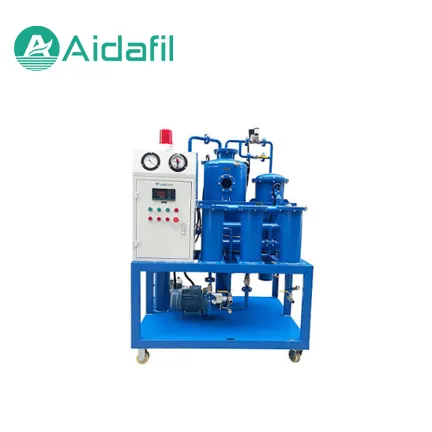
ابدأ من النوع النفطي
وتختلف أنواع الزيوت باختلاف الحساسية والإضافات وسلوك الأكسدة والحساسية للحرارة. تسجيل اسم المنتج النفطي، ودرجة الازدهار أو الازدهار في درجة حرارة محددة، والتطبيق. وقد يتطلب الزيت الهيدروليكي المعدني، والزيت المضغوط، وزيت التربين، وزيت المحولات، ومواد التشحيم الاصطناعية ظروفاً مختلفة من العلاج.
لا تختار معدات تستخدم فقط اسم النفط. اسأل عن صحيفة البيانات التقنية، وعن تحليل النفط الحالي حيثما أمكن. تأكد من درجة حرارة التشغيل العادية للنفط ودرجة الحرارة التي سيتم تجهيزها.
Review the Oil Analysis
ويساعد تحليل النفط على تحديد الملوثات التي يتعين إزالتها. ويمكن أن تشمل النتائج النموذجية محتوى المياه، وإحصاء الجسيمات، والخصائص، والحمض، والأكسدة، ونقطة الوميض، والقوة الغذائية. وبالنسبة لزيت المحولات، تتسم القوة الغذائية والرطوبة بأهمية خاصة.
وينبغي ذكر هدف العلاج بوضوح. ومن الأمثلة على ذلك الحد من المياه المجانية، وإزالة المياه المعزولة إلى مستوى مستهدف، وتحسين نظافة الجسيمات، أو إعادة الممتلكات التغذوية. وقد تتطلب أهداف مختلفة فراغاً مختلفاً، وتدفئة، وتدفئة، ومراحل تلفيق.
وإذا كان النفط يحتوي على مستوى عال من الماء، أو الماء المشبع، أو الغاز المذاب، فإن تصفية الجسيمات البسيطة قد لا تكون كافية. وقد تكون هناك حاجة إلى التفكك والتجفيف. وإذا كان التلوث هو الجسيمات أساسا، فإن مرحلة التصفية المناسبة قد تكون الشرط الأساسي.
حساب معدل التدفق المطلوب
معدل التدفق ليس فقط القدرة الاسمية للآلة ويجب النظر فيه إلى جانب حجم النفط الذي يتعين علاجه والوقت المتاح للتجهيز.
وحساب البدء العملي هو:
معدل التدفق المطلوب = حجم النفط المقرر تجهيزه
هذا مجرد تقدير The actual result depends on the initial contamination, target cleanliness, oil viscosity, temperature, vacuum performance, and the number of passes required. وبالنسبة للمعدات الحرجة، ينبغي أن يؤكد الصانع أو مهندس العمليات وقت العلاج.
النظر في ما إذا كان جهاز التنقية سيعمل باستمرار في حين تجري المعدات أو كعملية دفع خلال عملية إغلاق. وقد يتطلب استمرار تركيب التجاوزات معدل تدفق أقل من معالجة دفعة يجب أن تنتهي في إطار نافذة صيانة قصيرة.
اختيار مسارات العلاج
An oil purifier may combine several stages:
Coarse filtration for large particles
Heating to reduce viscosity and support dehydration
Vacuum dehydration and degassing
Coalescing or separation for free water
Fine filtration for particulate removal
Optional polishing or adsorption stages
The stages should be selected according to the oil condition and the required result. Adding a stage that is not needed increases complexity and cost. Removing a necessary stage may prevent the machine from reaching the target.
Consider Oil Viscosity and Temperature
Higher-viscosity oil is more difficult to pump and process. Heating may be required, but the maximum temperature must remain within the oil and system limits. Confirm the heater capacity, temperature control, and safety interlocks.
Check the oil's flash point and the supplier's recommended processing temperature. Do not assume that higher temperature always produces a better result. Excessive heat can accelerate oxidation or degrade additives.
Check the Configuration and Installation Requirements
The machine should suit the available space, connections, power supply, and maintenance access. Consider:
Inlet and outlet connection sizes
Mobile or stationary configuration
Flow and pressure requirements
Heater and vacuum pump power
Local voltage and frequency
Required protection for the operating environment
Availability of hoses, valves, and sampling points
Waste-water or gas handling
Operator training and maintenance access
If the purifier will be used in a hazardous area, confirm the required electrical protection with the site engineer. Do not select a standard configuration without reviewing the installation environment.
Define the Acceptance Check
Before delivery or after commissioning, define how performance will be checked. A practical acceptance process may include:
28.Record the initial oil analysis.
29.Record the volume and temperature of the oil.
30.Run the agreed treatment cycle.
31.Sample the oil after the cycle.
32.Compare the result with the agreed target.
33.Record flow, vacuum, temperature, and pressure.
34.Confirm that no leaks or abnormal noise are present.
The test should use representative oil and realistic operating conditions. A bench test with clean oil does not prove that the machine will remove water or gas from the actual process oil.
Common Selection Mistakes
One common mistake is selecting by tank volume alone without considering the required cleanliness and available time. Another is assuming that a particulate filter will remove dissolved water. Some buyers compare only nominal flow rates and ignore viscosity, vacuum, and temperature.
Another risk is treating transformer oil with a machine that is not configured for the required dielectric performance. For critical oils, the treatment target and acceptance test should be agreed before purchase.


